
Why homes become harder to insure
Claims, catastrophe exposure, roof condition, occupancy, and carrier appetite can all affect placement.
Some homes become harder to insure after claims, catastrophe exposure, property-condition concerns, or changes in carrier appetite. That does not automatically mean the homeowner has no options.

Identify the underwriting issue, document repairs or mitigation, and compare appropriate private-market options with a licensed insurance professional.
Claims, catastrophe exposure, roof condition, occupancy, and carrier appetite can all affect placement.

A decision by one insurer does not automatically mean no other market will consider the home.
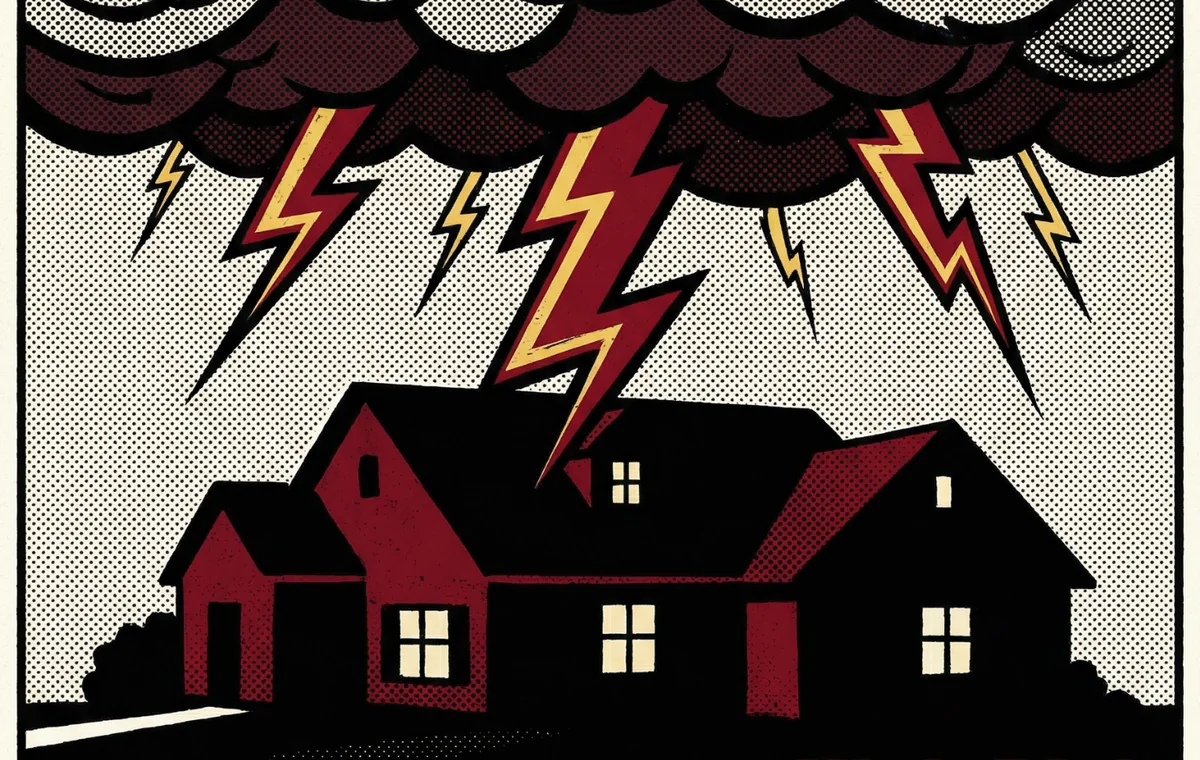
Use the notice period to gather documents, correct property information, and compare alternatives.

Roof work, repairs, mitigation, alarms, leak protection, and other improvements may matter to underwriting.

Premium matters, but so do deductibles, exclusions, limits, valuation, and the insurer offering the policy.

A licensed agent familiar with harder-to-place homes can help identify markets that fit the actual risk.
We connect homeowners with licensed insurance agents and specialists who work with higher-risk properties. We do not sell or underwrite insurance policies ourselves.
Get Matched With an AgentInsurers may consider claims history, catastrophe exposure, roof or property condition, occupancy, prior lapses, and other underwriting characteristics.
No. Other insurers may use different underwriting rules, although availability depends on the property and market.
No. Starting earlier generally gives more time to gather documents and compare available options.
No. Residual-market programs vary by state, and eligibility and coverage should be verified for the property involved.
No. Compare coverage, exclusions, deductibles, limits, valuation terms, and insurer eligibility as well as price.
No. This educational resource connects homeowners with licensed insurance professionals. Insurance companies determine eligibility, pricing, and policy terms.
This weekly comic and page are for general educational purposes only and are not legal, tax, financial, or insurance advice. Insurance availability, pricing, eligibility, and coverage terms are determined by insurance companies and vary by state.