Weekly Comic
Home Insurance After Prior Claims
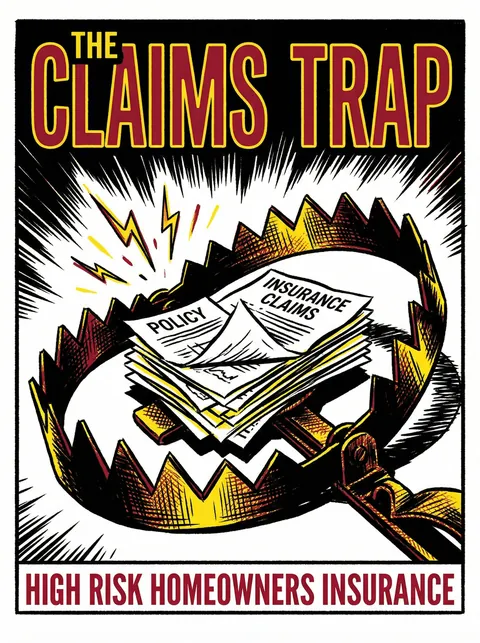
The Claims Trap explains why past losses can affect a homeowners insurance renewal, what a nonrenewal notice means, and how a specialist may help evaluate the next available options.
Quick answer
Prior claims can make homeowners insurance harder to place because insurers may review the type, severity, frequency, timing, and circumstances of past losses. A nonrenewal does not mean you did anything wrong. Gather the notice and repair records, then speak with a licensed agent experienced in higher-risk homes before the current policy expires.
The Claims Trap
Weekly Comic
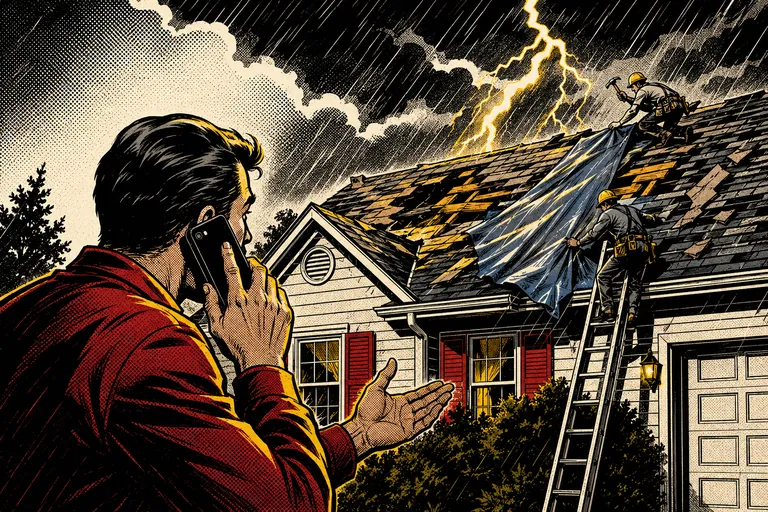
A claim helps repair the home
A storm damages the roof. The homeowner files a claim and emergency repairs begin. Insurance is intended to help with covered losses, subject to the policy’s terms, conditions, exclusions, and deductible.
Weekly Comic
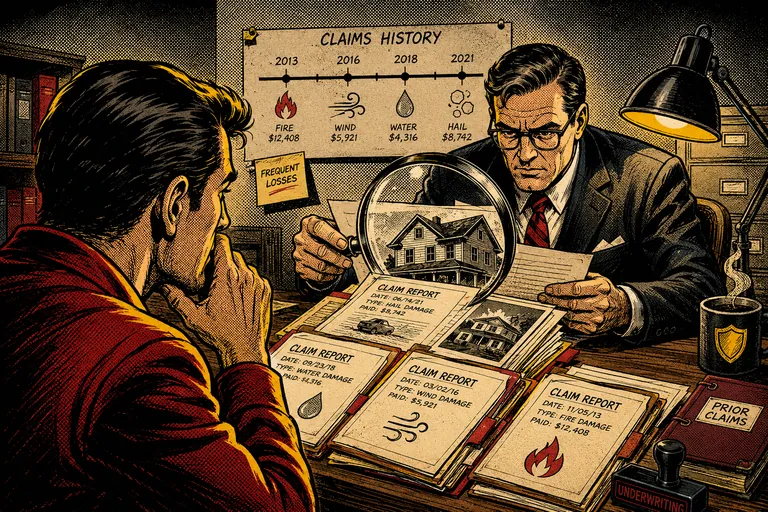
Why claim history matters
Insurers may review the number, type, severity, timing, and circumstances of prior losses when deciding whether to offer or renew coverage. Different insurers can evaluate the same history differently.
Weekly Comic
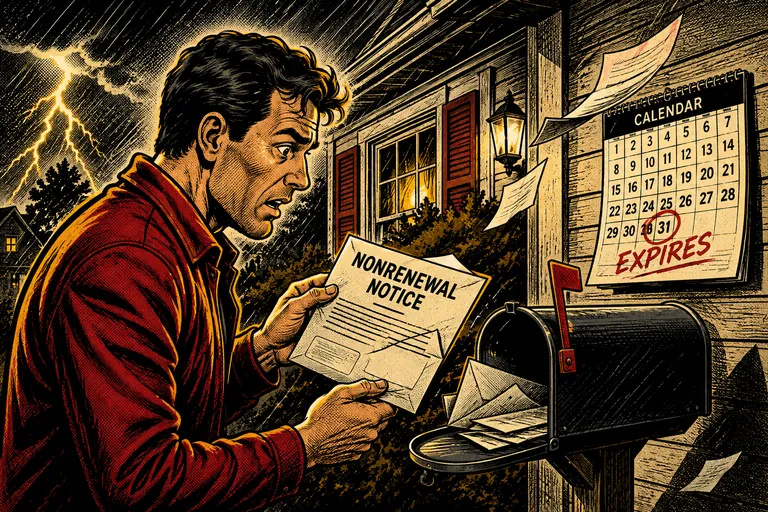
The nonrenewal surprise
A nonrenewal notice arrives. It does not mean the homeowner did something wrong, but it does create a deadline. Starting early can reduce the risk of a lapse in coverage.
Weekly Comic
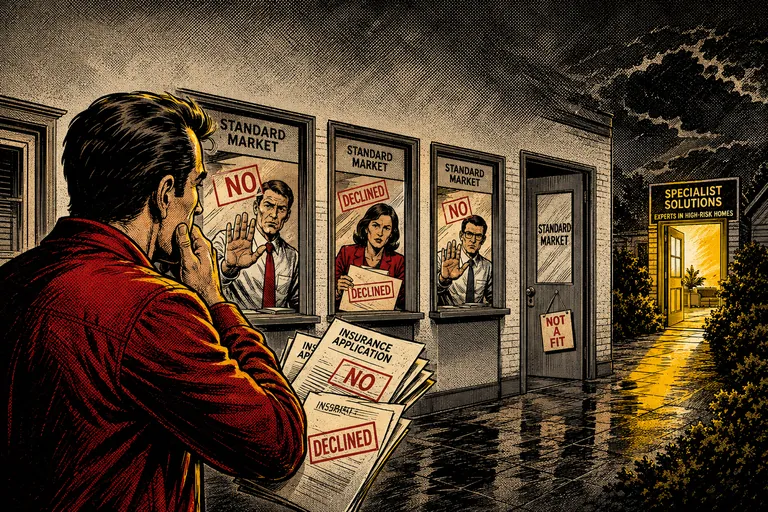
Standard markets may say no
Some standard-market carriers or agencies may not be able to place a home with a difficult loss history. That does not necessarily mean every market will decline it.

Weekly Comic
A specialist reviews the details
A licensed agent experienced with higher-risk homes can review the notice, claim details, completed repairs, deductible choices, and currently available insurance markets.
Weekly Comic
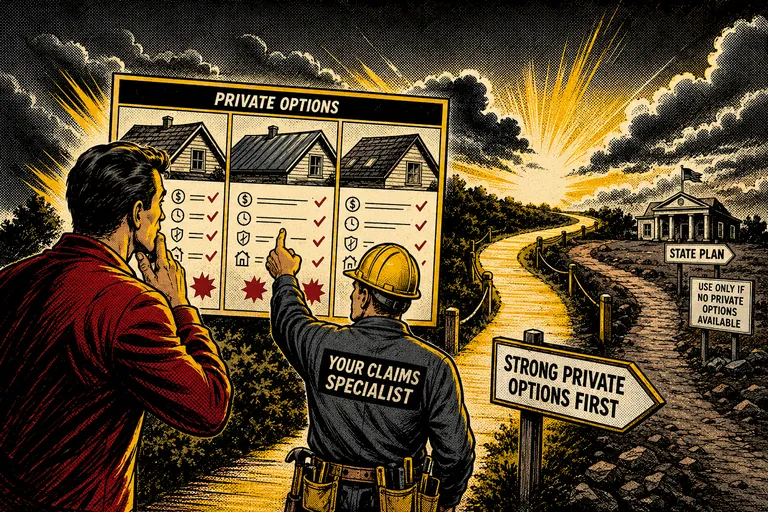
Compare the available paths
Private-market coverage may still be available. Where it is not, a FAIR Plan or other state-backed option may provide a fallback. Availability, eligibility, pricing, and coverage vary by state and insurer.
Practical next steps
What to do after a nonrenewal
- Read the notice and deadline. Confirm the reason given, the final date of coverage, and whether the insurer describes any appeal or correction process.
- Collect the claim and repair records. Gather invoices, permits, photographs, inspection reports, and proof that the cause of loss was corrected.
- Begin before the policy expires. Waiting until the final days can reduce the time available to compare markets and can increase the risk of a coverage lapse.
- Compare the available options. Ask a licensed professional familiar with higher-risk homes to review private-market possibilities and any state-backed fallback available in your state.
Need help after prior claims or a nonrenewal?
A licensed high-risk home insurance specialist can review the notice, claim details, completed repairs, and currently available markets. Coverage is not guaranteed, and eligibility, pricing, terms, and availability vary by insurer and state.
Start a coverage reviewCommon questions
Home insurance after prior claims FAQ
Can prior claims make homeowners insurance harder to find?
Yes. Insurers may consider the type, severity, frequency, timing, and circumstances of prior losses when deciding whether to offer or renew coverage. The effect varies by insurer and situation.
Does one claim make a home uninsurable?
Not automatically. A single claim does not mean a home is uninsurable. Insurers use different underwriting rules, and the type of claim, repair status, location, property condition, and time since the loss can all matter.
What should I do after a claims-related nonrenewal?
Read the notice and deadline, collect claim and repair documentation, and begin reviewing options before the current policy expires. A licensed agent experienced with higher-risk homes can help organize the information and approach available markets.
Can completed repairs improve my options?
Repair records, paid invoices, photographs, permits, inspections, and proof that the cause of loss was corrected may help an agent present the risk accurately. They do not guarantee that an insurer will offer coverage.
Is a FAIR Plan or state-backed plan the only option?
Not necessarily. Private-market options may still be available, depending on the property, state, loss history, and current insurance market. State-backed plans can be an important fallback where available, but terms and eligibility vary.
Who determines eligibility, pricing, and coverage terms?
Each insurance company applies its own underwriting rules and determines whether it will offer coverage, what terms apply, and the premium. Availability can change over time and varies by state.
Editorial note: This weekly comic provides general educational information. It is not an insurance policy, binder, quote, coverage offer, or guarantee of eligibility. Actual policy language controls. Underwriting rules, pricing, coverage, eligibility, and availability vary by insurance company and state and may change. Review your specific notice and policy documents with a licensed insurance professional.
Last reviewed: September 21, 2026.